
Tooth decay gradually destroys the hard tissue of a tooth through bacterial acids. Once a cavity forms, it cannot heal by itself; it keeps growing and weakens the tooth until it breaks.
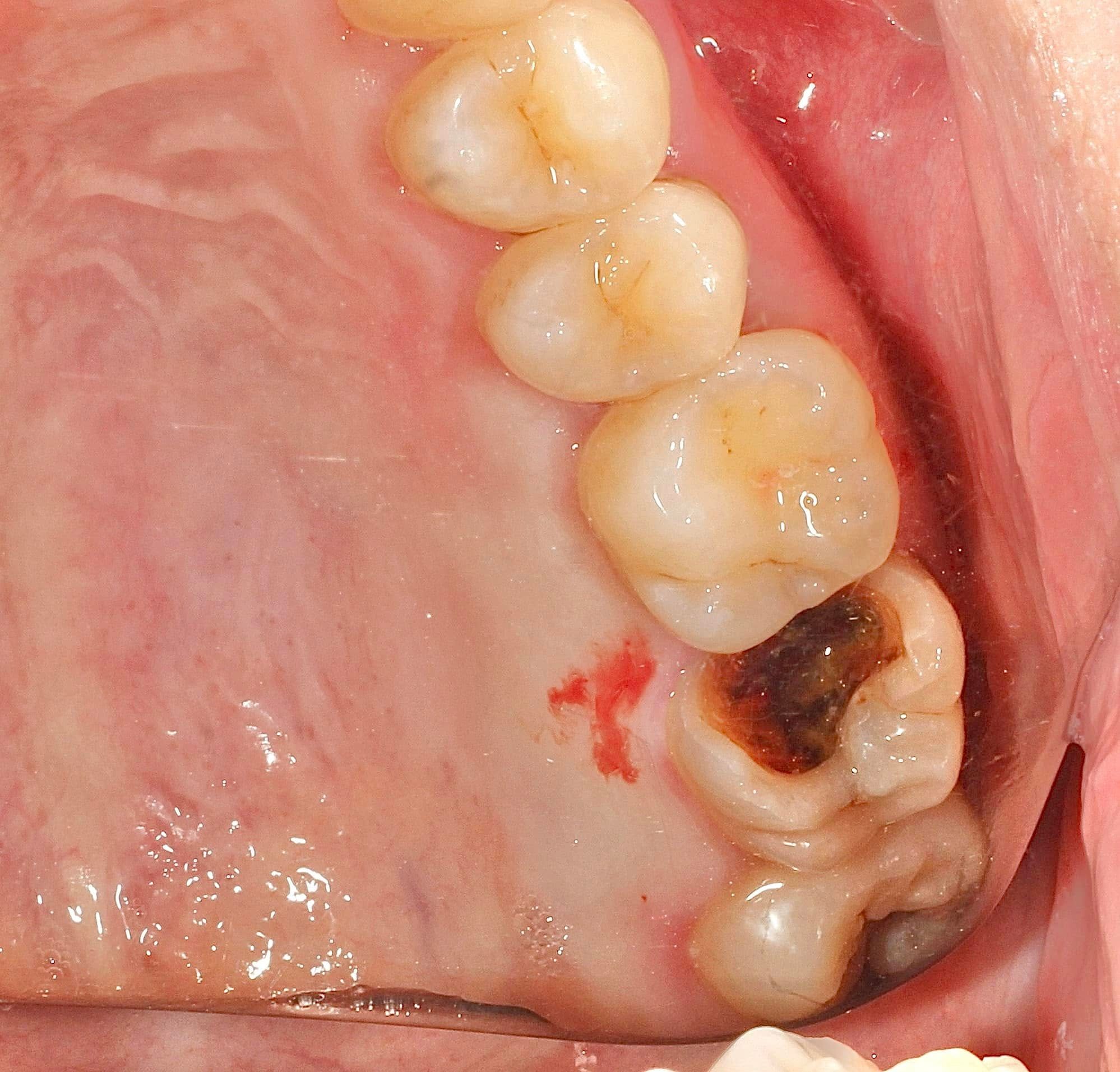
Benefits of early, durable restoration
- Restores chewing function and appearance.
- Prevents food trapping, bad breath and decay spreading to neighbouring teeth.
- Reduces the risk of sensitivity, pulp inflammation and pain.
- Avoids more complex and costly treatment such as root canal therapy, crowns or extraction.
Common restoration options
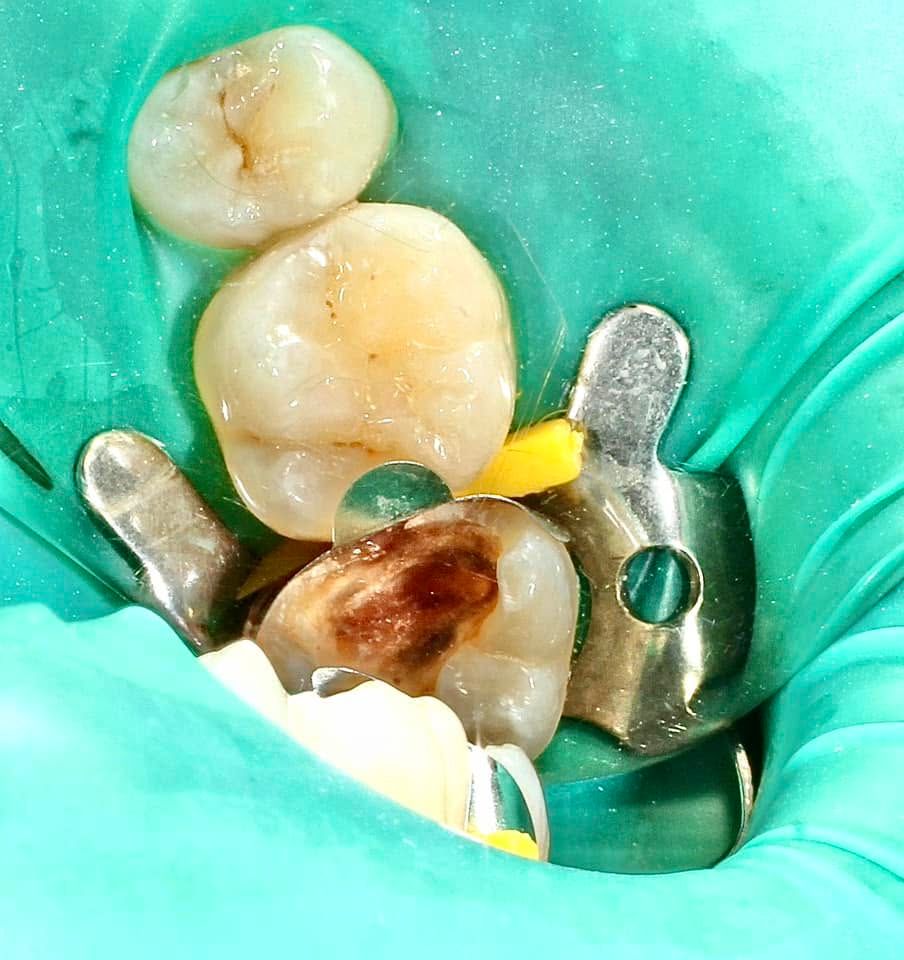
Depending on the size of the cavity, the dentist may recommend a composite filling, an inlay/onlay, or root canal treatment with a crown for extensively broken teeth. Rubber dam isolation keeps the working area clean and dry during treatment.
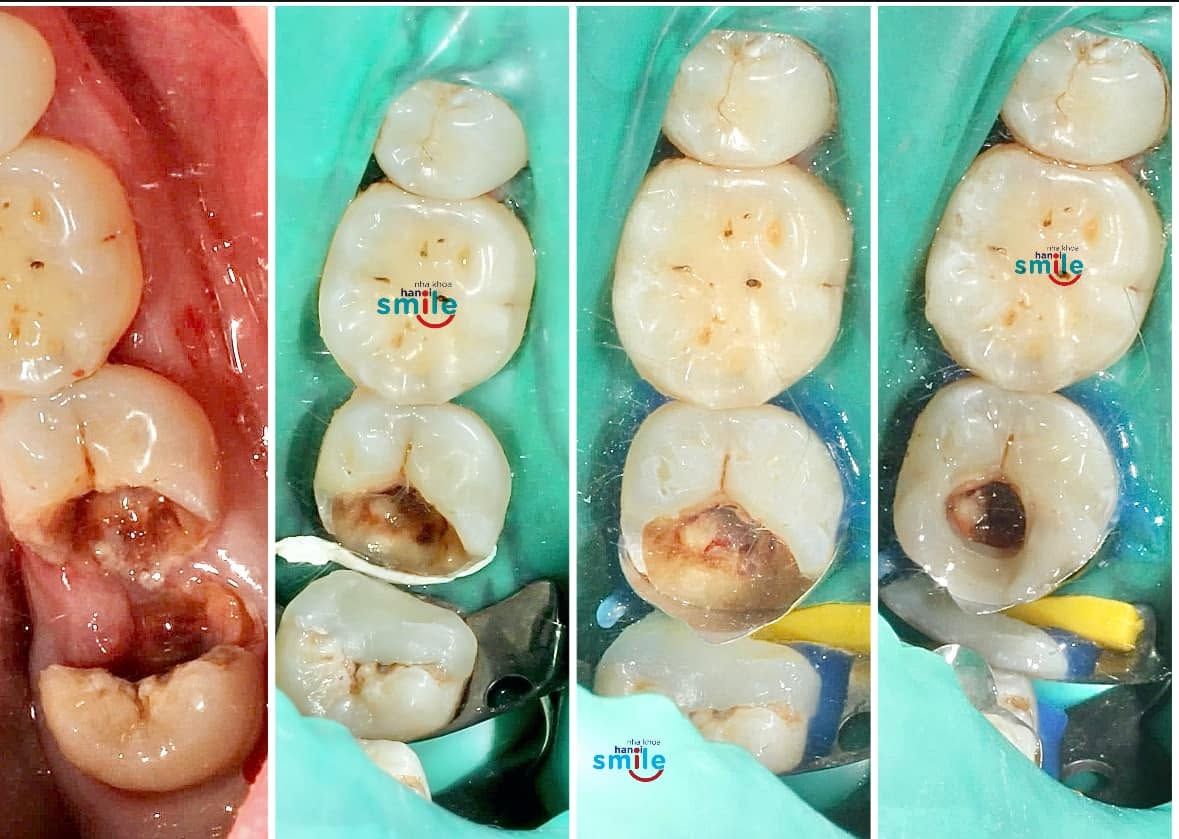
Regular check-ups matter
Early decay is usually painless. Regular check-ups (often every six months or as advised) help detect problems while they are small and easier to treat.
Note: Treatment indications and outcomes depend on each person's oral condition, general health and home care. This article is for general information only; an in-person examination is needed for individual advice.

